
Storm Damage Cleanup in Asheville: Post-Storm Recovery
Storm damage cleanup in Asheville requires prioritizing immediate safety by checking for downed power lines, assessing tree stability, and inspecting foundations for cracks. Homeowners should document all property damage for insurance, clear debris from access paths, and consult local professionals for hazardous tree removal or structural stabilization to ensure long-term property safety.
What are the first steps for storm damage cleanup in Asheville?
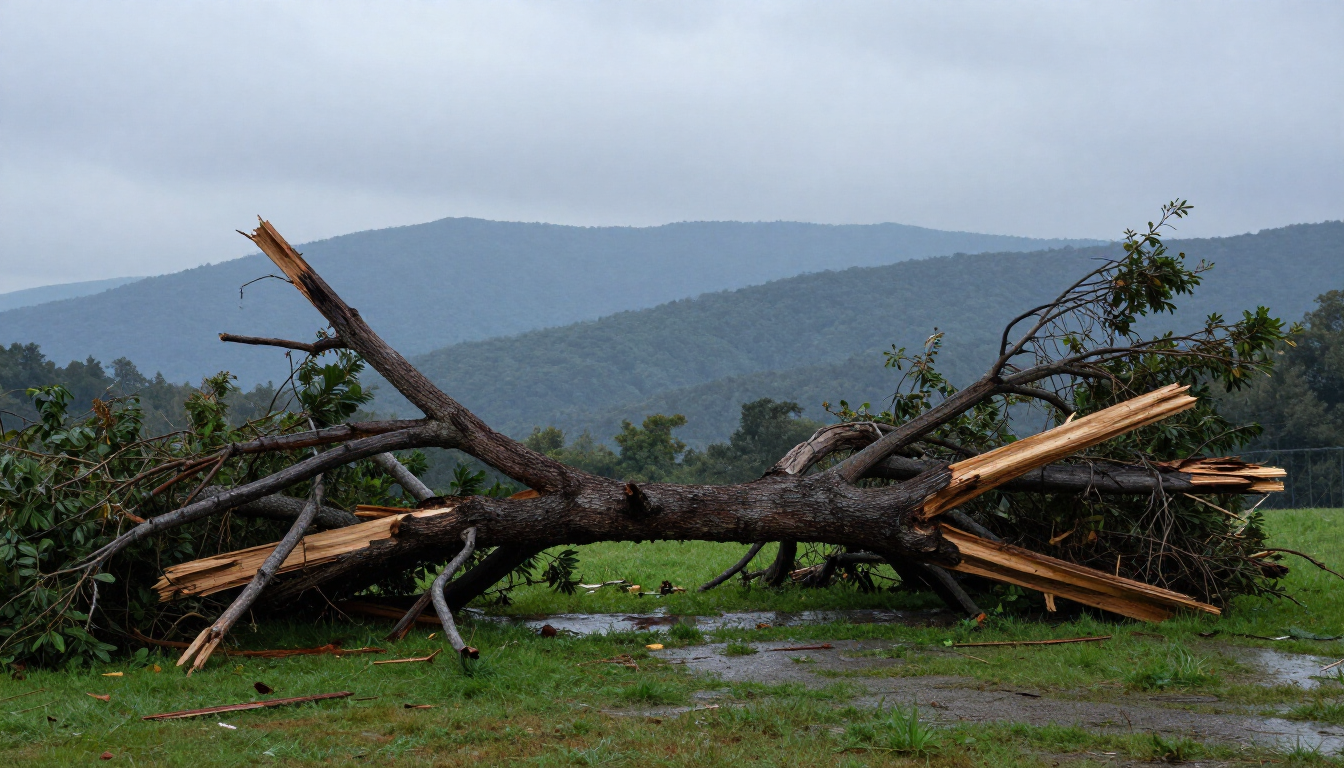
When the clouds break and the winds die down over the Blue Ridge Mountains, the first instinct for many homeowners in Asheville, NC is to head outside and start cleaning. However, the period immediately following a major weather event—whether it’s a tropical remnant bringing heavy rain or a sudden microburst with high winds—is often the most dangerous. Your first priority must be safety, not aesthetics. Before you pick up a rake or a chainsaw, you need to conduct a methodical sweep of your property to identify hidden hazards.
Start by looking up. In neighborhoods like Montford, NC or West Asheville , where large, mature trees are common, "widow-makers" (large branches caught in the canopy) can fall even after the wind has stopped. Next, check for downed utility lines. In Western North Carolina, heavy snow or high winds frequently bring down power and communication lines. Never assume a downed wire is dead; stay at least 30 feet away and report it to the utility company immediately. If you smell gas or hear a hissing sound, leave the area and contact emergency services.
Once the area is deemed safe from immediate environmental hazards, you should perform a structural walkthrough. Check the exterior of your home for broken windows, roof damage, or shifted siding. If your home has a basement or crawlspace, check for signs of rapid water intrusion. Quick action here can prevent long-term mold issues or electrical hazards. Only after these safety checks are complete should you begin the process of organizing your cleanup efforts.
Assessing Tree Damage and Structural Risks
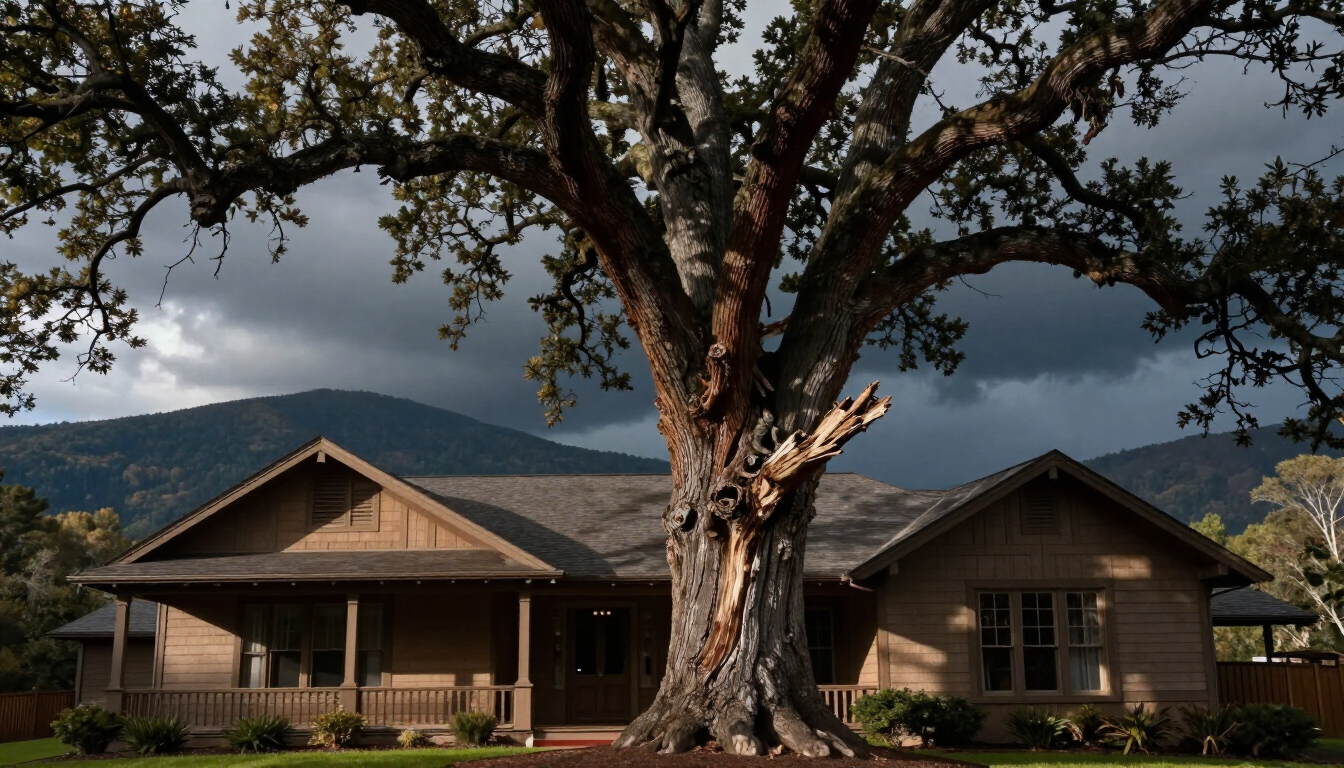
Asheville’s beautiful tree canopy is one of its greatest assets, but it becomes a significant liability during storms. High winds can stress even the healthiest oaks and maples, leading to split trunks or uprooted root balls. When assessing your trees, look for signs of "heaving" soil at the base of the trunk, which indicates the tree is beginning to tip. If a tree is leaning toward your home or a power line, it is a high-priority hazard that requires a professional Tree Service to handle.
Structural risks aren't always as obvious as a fallen branch. High-velocity winds apply immense lateral pressure to your home’s walls, which is then transferred down to the foundation. This is especially true for larger homes or those positioned on slopes. While Western NC soil is often rocky, the red clay can become slick and unstable when saturated. If you notice new cracks in your drywall or doors that suddenly won't close properly, the storm may have caused a slight shift in your home’s structure. Documenting these changes immediately is crucial for any subsequent insurance claims or professional inspections.
How do high winds affect your home’s foundation?
Most homeowners think of wind damage as a roof or siding issue, but the foundation is the silent sufferer during severe storms. In Asheville, where many homes are built on varied terrain, wind creates a "sail effect" on the structure. As wind hits the side of the house, it exerts pressure that tries to tilt or lift the building. While modern building codes require anchors to keep the house attached to the foundation, the sheer force of a 60+ mph gust can stress the concrete and the soil beneath it.
Furthermore, high winds are often accompanied by heavy, driving rain. When wind pushes water against the side of your home, it can force moisture into microscopic cracks in the concrete or between the sill plate and the foundation. Over time, this repeated stress can lead to:
- Foundation Shifting: Lateral pressure pushing the house against its footings.
- Soil Erosion: Wind-driven rain can wash away the protective soil around the perimeter of a slab.
- Structural Fatigue: Vibration from sustained high winds can loosen mechanical fasteners over decades.
- Slab Cracking: If the soil beneath a monolithic slab becomes unevenly saturated, the concrete may crack under the uneven weight distribution.
If you are concerned about the integrity of your base after a major storm, consulting a Concrete Contractor who understands the local topography is a wise investment. They can determine if the cracking you see is cosmetic or a sign of deeper structural distress.
Understanding Soil Saturation and Drainage Post-Storm
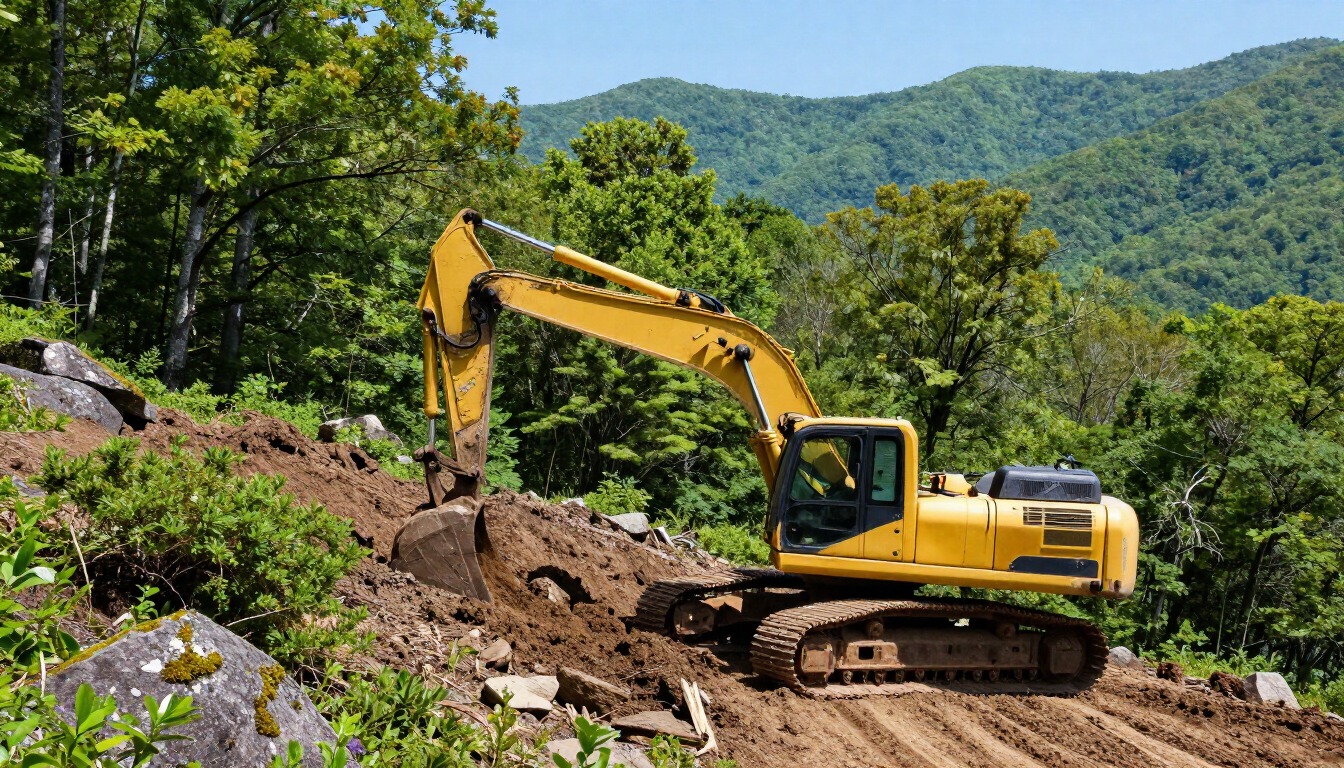
The soil in Western North Carolina is notorious for its high clay content. During a storm, this soil can only absorb so much water before it becomes "plastic" and loses its load-bearing capacity. When the ground around your home becomes a soup of mud and water, your foundation loses the lateral support it needs. This is why proper Excavation & Grading is the most important defense against storm damage. If your yard doesn't slope away from your foundation, every gallon of rain that falls on your roof ends up pooling against your concrete walls.
Following a storm, check your gutters and downspouts. If they are clogged with leaves and debris, they are likely dumping water directly onto your foundation. Clearing these is a high-priority cleanup task. You should also look for "sinkholes" or depressions near your foundation, which might indicate that water has found a path underneath your slab or footings. Addressing these drainage issues now, perhaps with a new French drain or regrading, will protect your home from the next big storm.
When is flooding a threat to your concrete slab?
Flooding in Asheville isn't limited to the banks of the French Broad or Swannanoa Rivers. Flash flooding can occur in Candler, NC or Weaverville, NC simply due to the steep terrain and the volume of runoff. For homes built on a concrete slab-on-grade, floodwaters pose a unique threat. While concrete itself is water-resistant, it is not waterproof. If water sits against a slab for an extended period, it can seep through the pores of the concrete through capillary action, damaging flooring and promoting mold growth inside the walls.
More dangerously, flowing floodwater can cause "scour." This occurs when the force of the water washes away the gravel and soil from beneath the edge of the slab. Without support, the concrete can snap under its own weight, leading to catastrophic structural failure. After a flood, always inspect the perimeter of your home for any gaps between the concrete and the ground. If you find gaps, do not just fill them with dirt; you may need a professional assessment to ensure the underlying subgrade is still stable and compacted.
What should you document for insurance claims?
Before you move a single branch or pump out a gallon of water, take your phone and start recording. Insurance companies require clear evidence of the damage as it occurred. Your documentation should be thorough and include:
- Wide-Angle Photos: Show the overall state of the property and how debris is situated.
- Close-Up Details: Capture cracks in concrete, shredded shingles, or water lines on siding.
- Video Walkthroughs: Narrate what you see, pointing out new damage that wasn't there before the storm.
- Inventory of Losses: Document any personal property—like lawn furniture or outbuildings—that was destroyed.
- Professional Estimates: Keep copies of all quotes from tree services or contractors for your records.
Remember that many insurance policies distinguish between wind damage and flood damage. Wind-driven rain that enters through a damaged roof is often covered differently than rising groundwater. Accurate documentation helps your adjuster categorize the damage correctly, ensuring you get the maximum benefit from your policy. If the damage is significant, reaching out to a local expert in Woodfin, NC or Leicester, NC can provide you with the professional estimates needed to support your claim.
Hiring Local Experts for Emergency Cleanup
While the DIY spirit is strong in the mountains, certain aspects of storm cleanup should be left to the pros. Attempting to remove a large tree or repair a cracked foundation without the proper equipment and training can lead to injury or further property damage. When hiring help in the Asheville area, prioritize local businesses that understand our specific building codes and environmental challenges. A local Concrete Contractor will know how the local soil behaves, while a local grading expert will understand how to manage mountain runoff effectively.
When vetting contractors for emergency work, be wary of "storm chasers"—out-of-state companies that follow major weather events. Always ask for proof of insurance, local references, and a written contract. For specialized tasks like foundation stabilization or major land clearing, look for teams with experience in Excavation & Grading . These professionals have the heavy machinery necessary to move large amounts of debris and reshape your land to prevent future water issues.
Core Takeaways for Post-Storm Success
Recovering from a storm in Western North Carolina is a marathon, not a sprint. By following a structured approach, you can protect your home’s value and your family’s safety. Keep these final points in mind as you navigate the cleanup process:
- Prioritize Hazards: Always address downed power lines and unstable trees before starting general yard cleanup.
- Monitor Foundations: Watch for new cracks or soil erosion around your concrete slabs and footings.
- Manage Water: Ensure gutters are clear and water is flowing away from your home to prevent soil saturation issues.
- Document Everything: Take photos and videos before starting any repairs to ensure a smooth insurance process.
- Work with Pros: For structural repairs or hazardous tree removal, trust local Asheville experts who know the terrain.
Dealing with storm damage is stressful, but taking the right steps early can prevent a bad situation from becoming a structural disaster. If you need help evaluating your property’s foundation or grading after a storm, Contact Us today. Our team is dedicated to providing durable, code-compliant solutions that stand up to whatever the North Carolina weather throws your way. Whether you are in West Asheville , Candler , or Weaverville , we are here to help you rebuild with strength.