
5 Risks of Tree Removal on Steep Lots in WNC

July 6, 2026

Share this article

Tree removal on steep lots in Western North Carolina requires specialized equipment and rigging to manage gravity, soil erosion, and limited access. Unlike flat-ground removal, hillside work involves complex physics to ensure falling debris doesn't damage property or cause landslides, making professional expertise and technical insurance essential for homeowners.

What makes hillside tree work different?

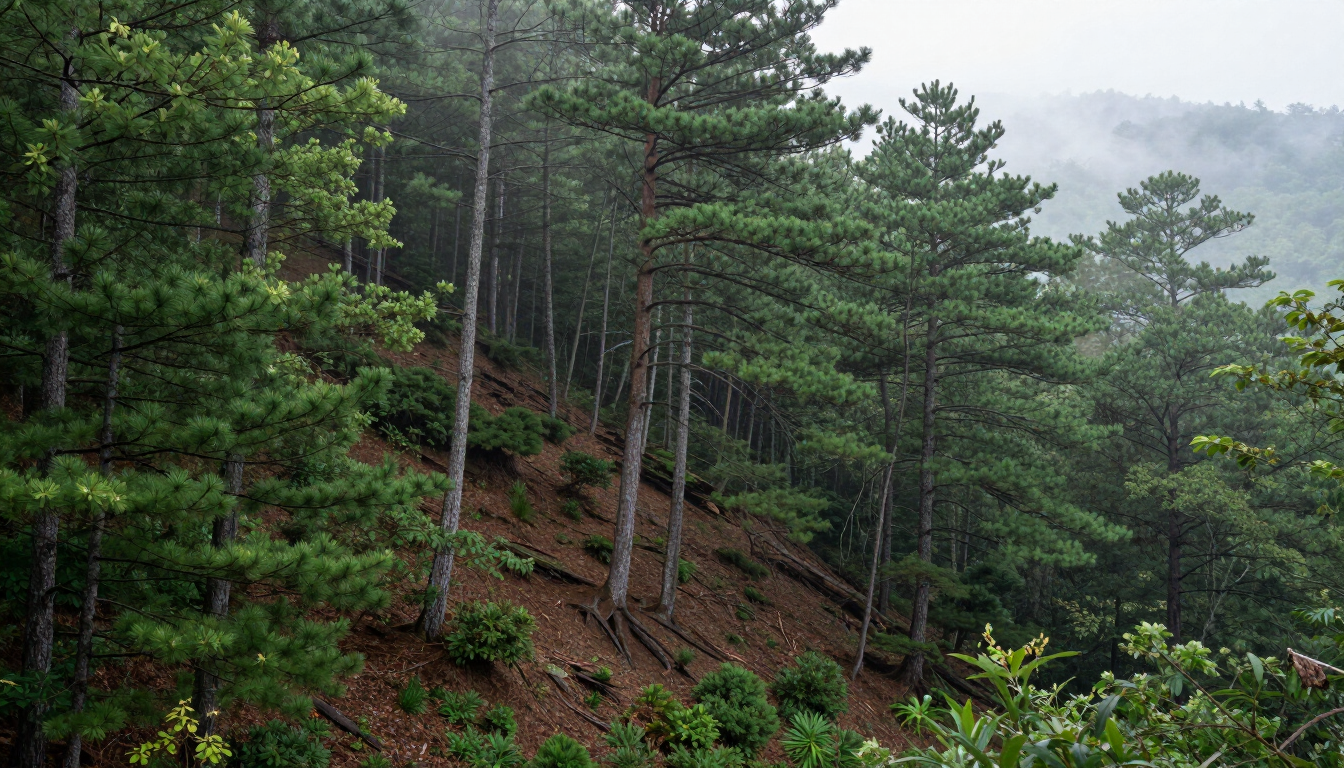
Removing a tree on a flat suburban lot in Asheville, NC is a straightforward process involving standard bucket trucks and traditional felling techniques. However, when that same tree is perched on a 30-degree slope in the Blue Ridge Mountains, the entire operational dynamic shifts. Gravity becomes the primary adversary. On a steep lot, every limb cut and every trunk section removed gains significant kinetic energy as it drops. Without proper control, a single log can become a destructive projectile, tumbling down toward a home, a neighbor’s property, or a public road.

Accessibility is another major hurdle. Standard heavy machinery, such as large cranes or bucket trucks, often cannot reach these areas without significant risk of tipping. This necessitates a more manual, labor-intensive approach known as aerial trekking or specialized climbing. Arborists must be expert climbers, using advanced harness systems to secure themselves while navigating uneven, often slippery terrain. The physical demand is exponentially higher, as workers must haul gear up the slope and secure debris against the pull of gravity.

Furthermore, the "landing zone"—the area where debris is dropped—is rarely flat. Professionals must create temporary catchments or use complex rigging systems to "catch" wood mid-air and lower it gently to a stable staging area. This prevents the logs from gaining momentum and ensures the safety of the surrounding landscape. In areas like Candler, NC , where wooded hillsides often abut residential structures, this level of precision is the difference between a successful job and a catastrophic insurance claim.

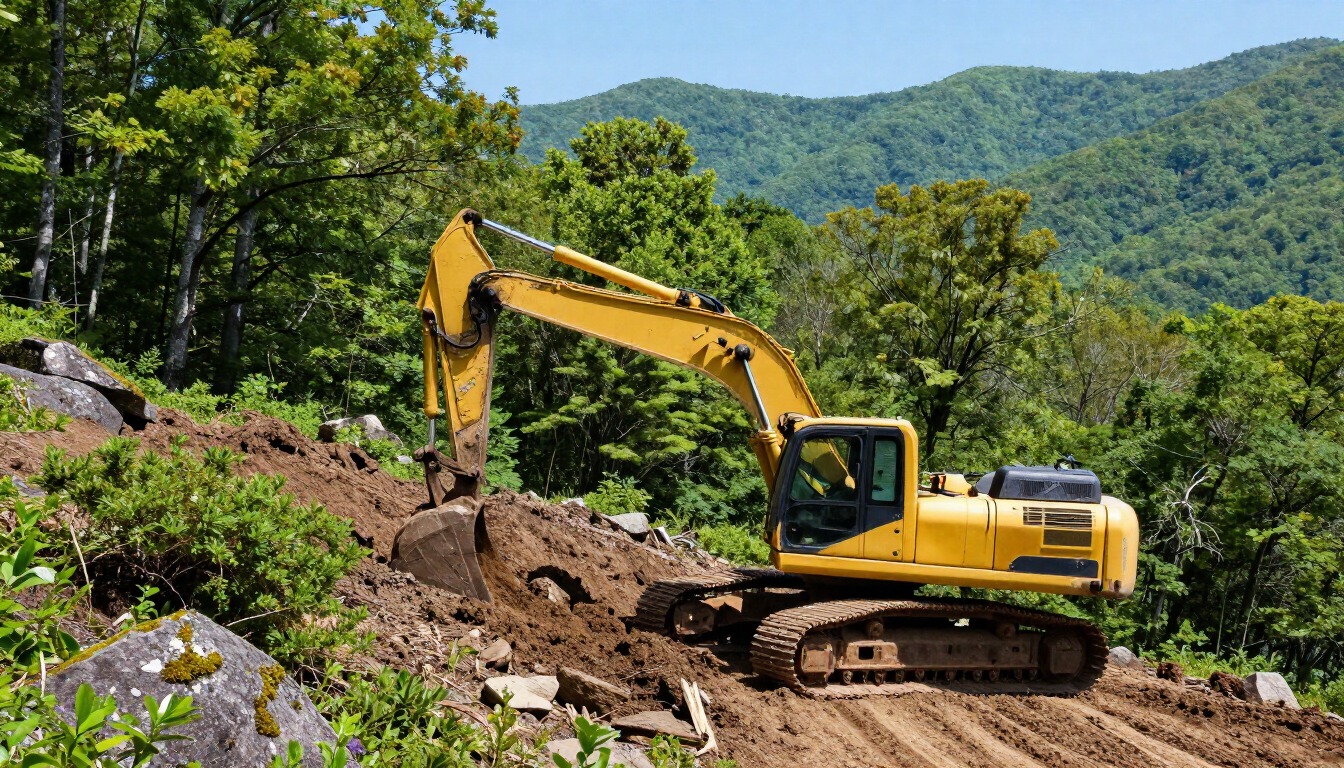
Steep wooded mountain slope in WNC

Why is soil stability crucial on WNC slopes?

The geology of Western North Carolina is beautiful but precarious. The region is characterized by a mix of heavy clay and rocky subterranean layers that are highly susceptible to erosion when the vegetation canopy is disturbed. Tree roots act as a natural "rebar" for the soil, knitting the earth together and providing structural integrity to the hillside. When you remove a tree, you aren't just removing the wood above ground; you are eventually losing the biological anchor that holds the slope in place.

Indiscriminate tree service on steep lots can lead to significant soil displacement during the frequent heavy rains seen in the Asheville area. If too many trees are removed at once without a plan for replanting or structural reinforcement, the risk of a slow-moving landslide increases. This is particularly dangerous for homeowners who are clearing land to prepare for a new concrete contractor to pour a foundation or driveway. The removal of large hardwoods can change the way water flows across the property, potentially flooding lower elevations.

Professional teams must evaluate the root health and the slope’s grade before starting. In many cases, it is recommended to leave the stump and root ball intact rather than grinding them out immediately. Over time, the roots will decay, but they provide several years of stabilization while new ground cover or retaining structures are established. Understanding this balance between clearing space and maintaining geological stability is a hallmark of experienced local crews.

Specialized Equipment for Steep Terrain

To safely navigate the challenges of Weaverville, NC or the higher elevations of Buncombe County, tree removal crews must utilize equipment that goes beyond the standard chainsaw. On steep lots, the primary goal is to minimize the ground pressure of equipment to prevent sliding while maximizing the reach and control of the cutting tools. This often involves the use of specialized machines and rigging configurations designed for high-angle environments.

Key equipment used for hillside tree work includes:

  • Spider Lifts: These are compact, tracked lifts with outriggers that can "walk" into tight, uneven spaces where a truck cannot go.
  • Negative Blocking Rigging: A system of pulleys and high-tensile ropes that allows a climber to lower heavy sections of wood against gravity.
  • Log Arches: Specialized hand-operated or winch-assisted tools used to move heavy logs uphill or across side-slopes without damaging the turf.
  • High-Lead Yarders: In extreme cases, cable systems are set up to hoist logs completely off the ground and move them to a landing site.
  • Specialized Climbing Spikes: Boots and gear specifically designed to provide grip on the angled bark of trees growing at a tilt.

Using the wrong equipment can be fatal. For instance, attempting to use a standard tractor on a steep slope often leads to a roll-over accident. Professional crews invest hundreds of thousands of dollars in gear that is rated for high-angle work, ensuring that even if a piece of equipment slips, there are redundant safety systems in place to prevent a total loss of control.

How do professionals manage falling debris?

In a standard tree removal, the ground crew simply stands clear as pieces fall. On a hillside, the ground crew is often working "below" the climber, placing them in the direct path of any rolling debris. Managing this risk requires a meticulous plan known as a "drop zone management strategy." This involves dividing the work area into segments and using physical barriers, such as temporary silt fencing or heavy-duty logs placed horizontally across the slope, to act as backstops.

Rigging is the most critical component of debris management. Instead of letting a limb fall, the arborist will tie a "lowering line" to the branch before cutting it. A ground technician, often using a device called a Port-a-Wrap secured to the base of a nearby stable tree, will then slowly lower the branch. This "friction-controlled" descent allows for a soft landing, even on a sharp incline. It prevents the wood from bouncing or gaining speed, which is how most property damage occurs during DIY attempts.

In more complex scenarios, "zip-lining" is employed. A tensioned rope is run from high in the tree to a point far down the slope or even to a waiting truck. The cut sections are then slid down the rope, bypassing the steep terrain entirely. This method is incredibly efficient for large-scale excavation & grading prep work, as it keeps the hillside clear of clutter and allows for faster processing of the timber once it reaches a level staging area.

The Role of Erosion Control

Once a tree is removed from a steep lot, the immediate concern shifts from falling wood to moving earth. The canopy of a tree does more than just provide shade; it breaks the fall of rainwater, reducing the impact force on the soil. Without that canopy, raindrops hit the ground with full force, dislodging soil particles and initiating surface runoff. For homeowners in the rainy WNC climate, this can lead to deep gullies forming in a matter of weeks.

To combat this, professionals often recommend a multi-step erosion control plan:

  1. Mulching: Chipping the removed tree on-site and spreading the mulch over the bare ground provides an immediate protective layer.
  2. Silt Fencing: Installing fabric barriers at the base of the slope to catch sediment before it reaches local waterways.
  3. Wattles: Using straw or coconut fiber logs placed along the contour of the hill to slow down water flow.
  4. Cover Cropping: Planting fast-growing grasses or clover to replace the root structure of the removed tree.
  5. Stump Retention: Keeping stumps in place to provide a physical anchor for the surrounding soil during the transition period.

By integrating these steps, homeowners ensure that their land remains stable and ready for future projects. Whether you are planning a new deck or preparing for a veteran-led team to handle your concrete contractor needs, maintaining the integrity of the hillside is non-negotiable. Neglecting erosion control can lead to fines from local municipalities and permanent damage to your property’s value.

When should you call a pro in Asheville?

While many Western North Carolina residents are handy with a chainsaw, hillside tree removal is not a DIY task. The margin for error is razor-thin, and the consequences of a mistake are magnified by the environment. You should always call a professional if the tree is located within striking distance of a structure, if the slope is greater than 15 degrees, or if the tree shows signs of root rot or "heaving" (when the soil at the base begins to lift).

Professional arborists in the Asheville area carry high-limit liability insurance that specifically covers work on steep slopes. This protects you, the homeowner, from the immense financial burden of property damage or personal injury that can occur. Furthermore, local experts understand the specific permitting requirements of Buncombe County and the City of Asheville, ensuring that you aren't violating any steep slope ordinances that could halt your construction project or result in significant penalties.

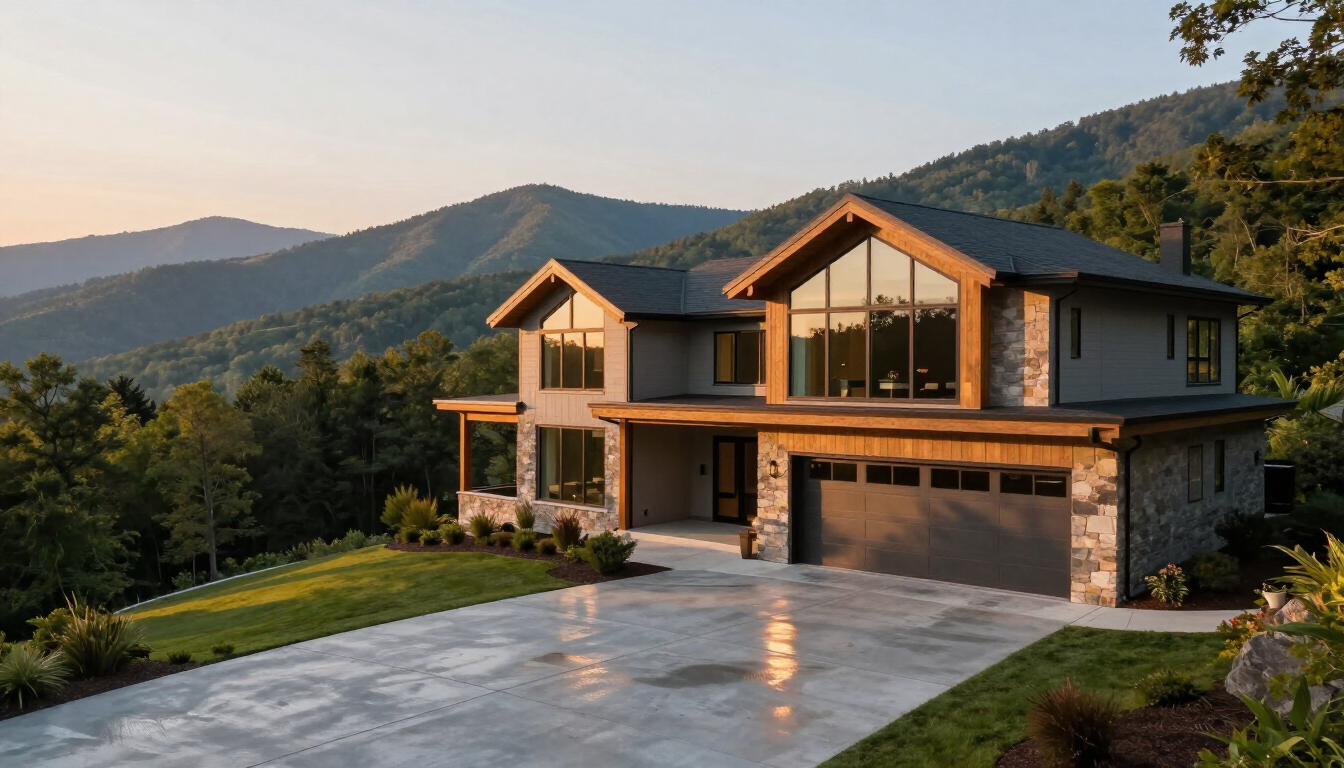
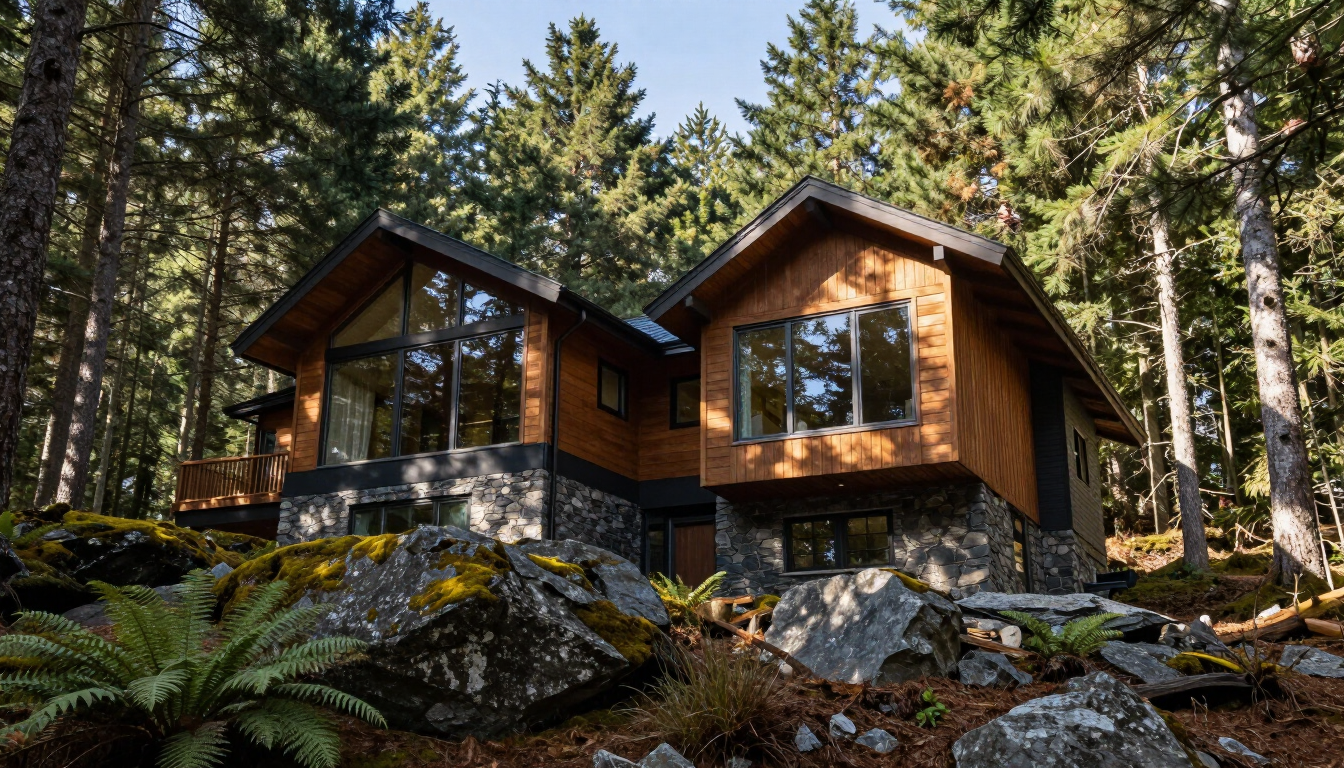
Mountain home in Weaverville with forest

Preparing Your Steep Lot for Construction

Tree removal is often the first phase of a larger vision. Once the hazardous or obstructing trees are cleared, the focus shifts to creating a buildable site. This is where excavation & grading become vital. On a steep lot, this involves "cutting and filling"—removing soil from the higher part of the slope and moving it to the lower part to create a level bench. Without the expert removal of trees and their sprawling root systems, this grading process is impossible.

After the site is cleared and leveled, the final step is typically the installation of a durable foundation. Whether you are building a detached garage, a home addition, or a retaining wall, the quality of the concrete work depends entirely on the stability of the lot you just cleared. Choosing a team that understands the unique soil and climate of Maryland and the surrounding regions is crucial for long-term peace of mind. For those ready to move from clearing to building, it is time to contact a specialist who can ensure your foundation is built to code and engineered for the specific stresses of your hillside property.

Key Takeaways for WNC Homeowners

  • Physics Matters: Gravity makes every cut more dangerous on a slope; specialized rigging is mandatory.
  • Soil Integrity: Tree roots are your hillside’s best defense against erosion; remove them strategically.
  • Equipment Choice: Standard trucks won't work; ensure your contractor uses spider lifts or cranes.
  • Legal Compliance: Check local steep-slope ordinances in Asheville before you begin any clearing.
  • Next Steps: Once cleared, prioritize professional grading and a high-quality concrete foundation to protect your investment.

Recent Posts

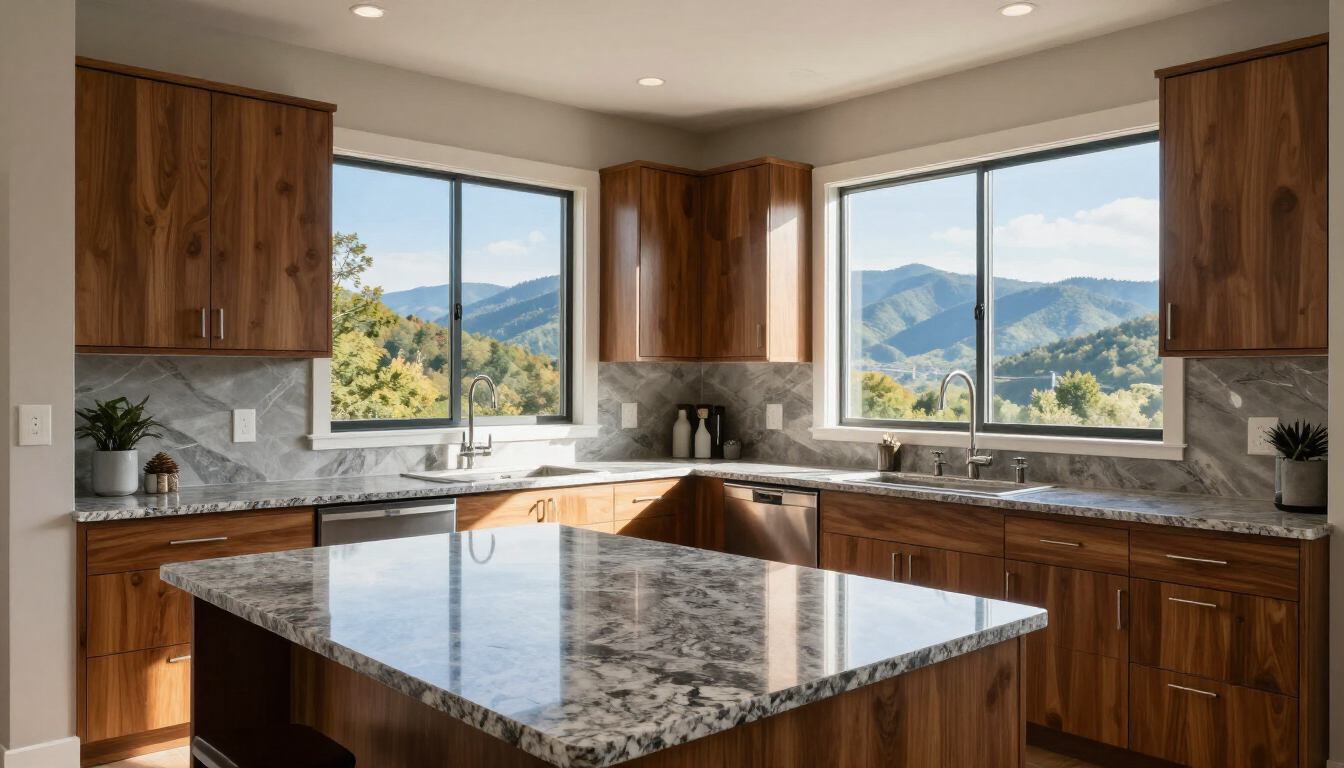
Modern Asheville kitchen remodel with high-end finishes and mountain views.
June 25, 2026
Planning a kitchen or bathroom remodel in Asheville, NC? Our comprehensive guide covers the entire process from initial design and permitting to construction and final inspection.
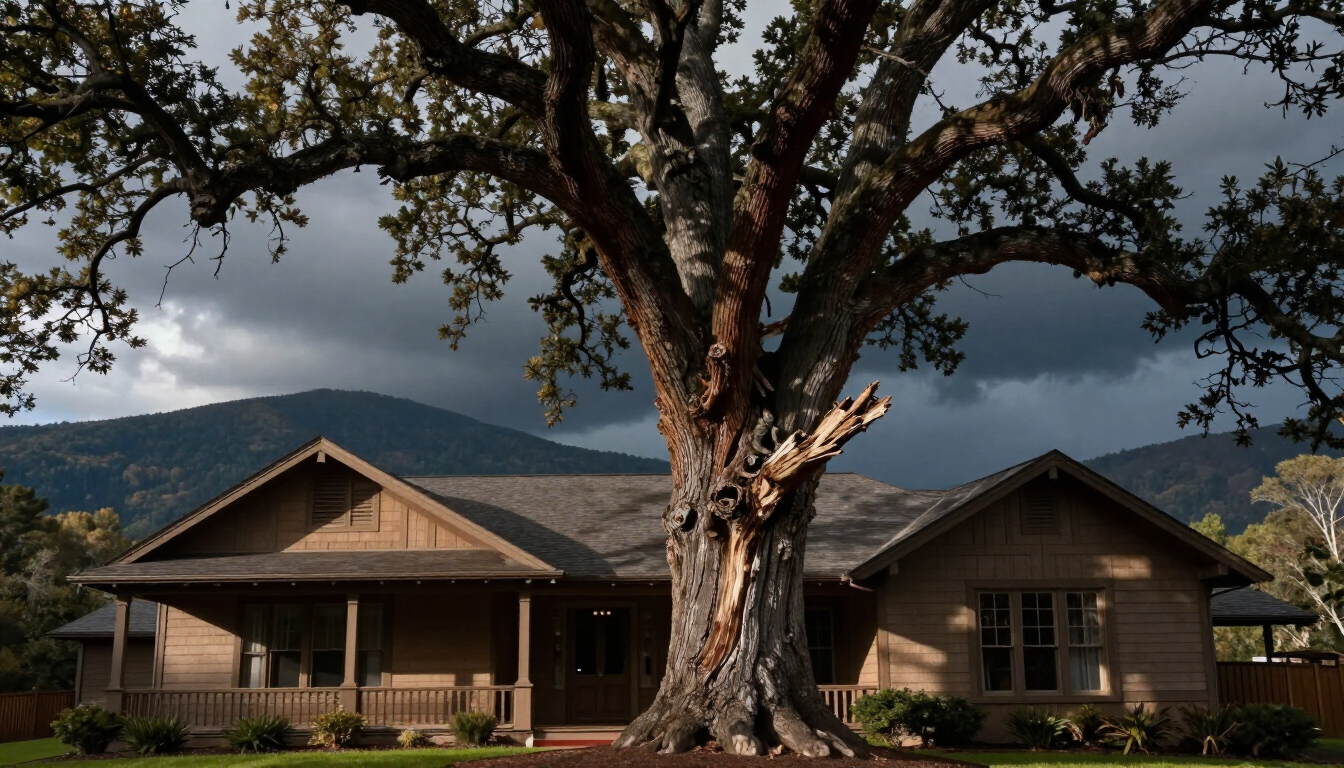
Storm damage cleanup in Asheville NC neighborhood
June 8, 2026
Expert guide on storm damage cleanup in Asheville, NC. Learn how to handle tree removal, flooding, and foundation safety after high winds.