
Land Grading and Excavation: Expert Prep for WNC Terrain
Land grading and excavation involve reshaping the earth to create a level, stable foundation for construction while ensuring efficient water drainage. In Western North Carolina, this process is essential for managing steep slopes, stabilizing rocky or clay-heavy soil, and preventing long-term erosion or structural damage to your property.
Why is land grading and excavation critical in Western North Carolina?
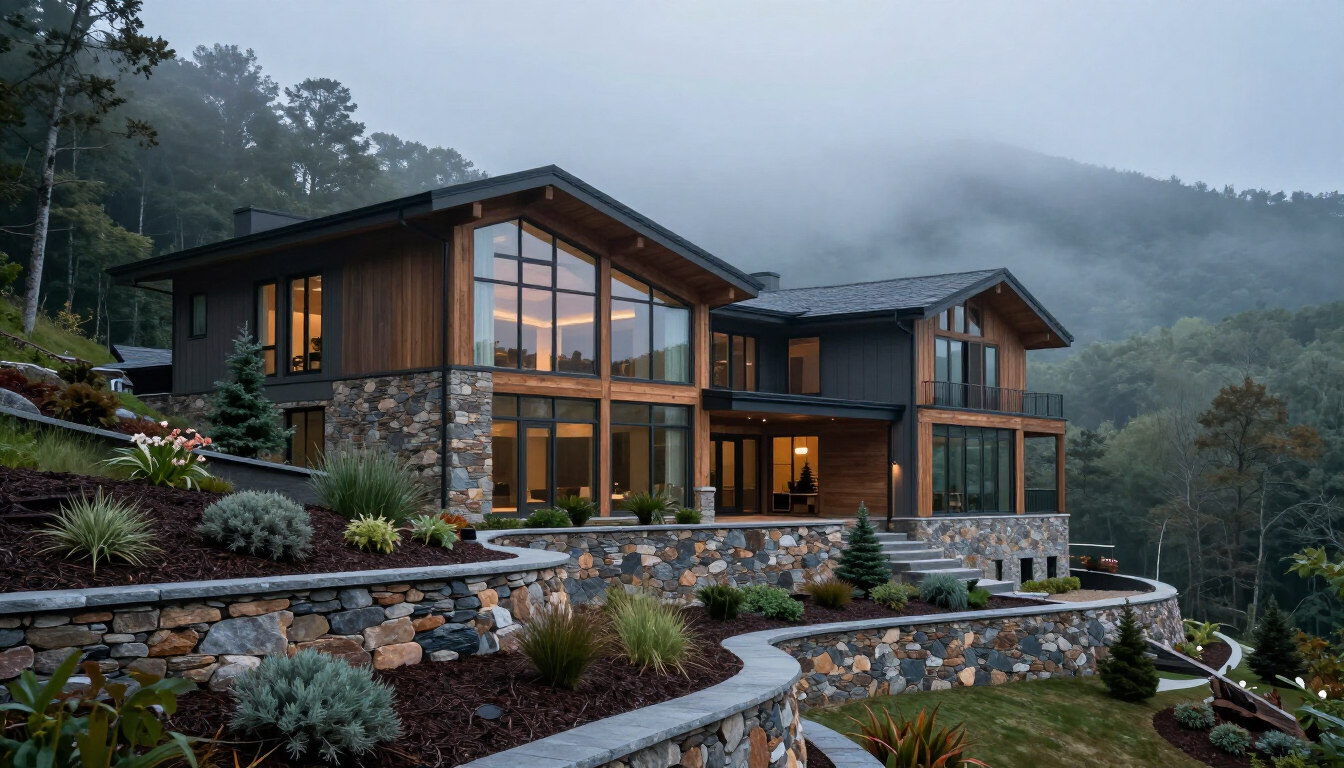
If you have ever spent time looking at a building site in Asheville, NC or the surrounding Blue Ridge Mountains, you know that flat land is a luxury we rarely have. Most properties in our region sit on some degree of a slope. This is where professional land grading and excavation become the most important steps in any construction project. Without proper site preparation, a beautiful home can quickly become a liability due to shifting soil or water intrusion.
In Western North Carolina (WNC), we deal with a unique combination of high annual rainfall and diverse soil types, ranging from dense red clay to solid bedrock. When you excavate on a mountain, you aren’t just moving dirt; you are altering the natural flow of water. If that water isn't directed correctly, it will find its own path—often right into your crawlspace or foundation. Proper Excavation & Grading ensures that the land is prepared to support the weight of a structure while shedding water safely away from the build site.
Beyond just structural stability, grading is a legal and safety requirement. Local building codes in areas like Weaverville, NC and Woodfin, NC have strict regulations regarding slope stability and runoff management. Professional grading ensures your project stays compliant with these codes, saving you from potential fines or costly rework down the road. It is about building a foundation that lasts for generations, not just until the next heavy storm.
What does the professional site preparation process involve?
Understanding the steps involved in site preparation can help homeowners feel more confident as their project begins. It is a systematic process that transforms a raw piece of land into a buildable lot. While every property is different, especially in hilly areas like Candler, NC or Leicester, NC , the general workflow remains consistent to ensure quality and safety.
- Site Surveying and Staking: Professionals mark the boundaries and identify the exact location of the structure and utilities.
- Land Clearing: Removing trees, brush, and boulders that obstruct the building area or the grading path.
- Mass Excavation: The initial heavy lifting where large amounts of earth are moved to create the rough shape of the build site.
- Fine Grading: Smoothing and leveling the ground to precise specifications for foundations, driveways, or lawns.
- Soil Compaction: Using heavy machinery to pack the dirt down, ensuring it won't shift or sink under the weight of the new build.
Each of these steps requires specialized equipment. You might see bulldozers, backhoes, and skid steers all working in tandem. The goal is to move as little dirt as possible while achieving the maximum stability. Moving earth is expensive and labor-intensive, so a skilled operator knows how to work with the natural contours of the land rather than fighting against them. This efficiency is what separates a professional crew from a generic rental-equipment approach.
Essential Drainage Solutions for Mountain Lots
In the mountains, drainage isn't just an afterthought; it’s the primary focus of land grading and excavation. When we get those heavy summer downpours, thousands of gallons of water move across a property in minutes. If your lot isn't graded to handle that volume, you risk losing your topsoil, your driveway, or even your foundation’s integrity. Effective drainage systems are integrated directly into the grading plan to protect your investment.
One common solution in WNC is the use of swales—shallow, grassy channels designed to move water slowly across a slope. Unlike a pipe that can clog, a well-placed swale mimics natural water flow while keeping it away from your home. For steeper properties, French drains or catch basins might be necessary to collect and redirect subsurface water. These systems work behind the scenes to keep the ground around your foundation dry, preventing the hydrostatic pressure that causes basement walls to crack or bow over time.
Culverts are another vital component, especially for properties with long driveways. In places like Montford, NC or West Asheville , where older lots might have established runoff patterns, a new driveway can act like a dam if not properly engineered. Installing high-quality culverts ensures that water passes under your driveway without washing it away. By addressing these drainage needs during the excavation phase, you avoid the much higher costs of fixing water damage later on.
How do you identify poor grading on your property?
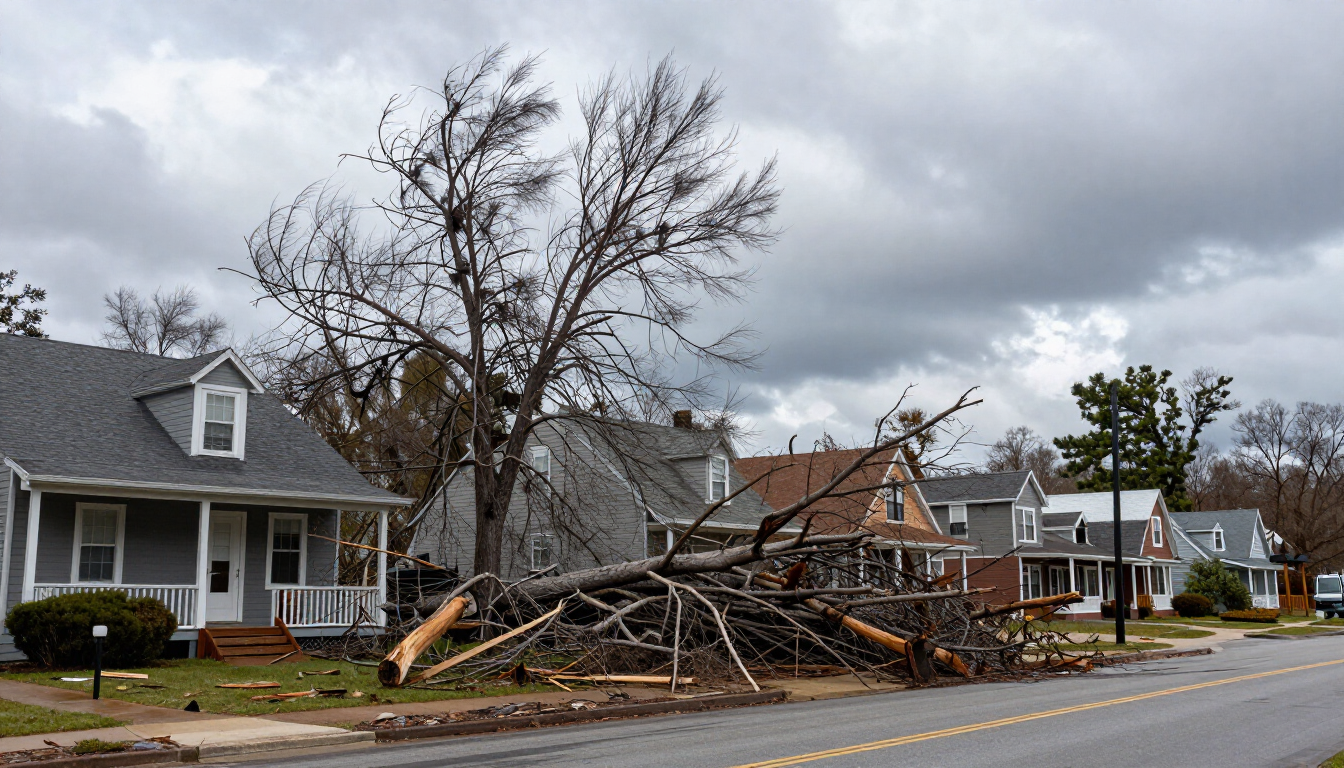
Sometimes, homeowners buy a property that was graded years ago, or perhaps a previous DIY project didn't quite hit the mark. Identifying poor grading early can save you thousands in foundation repairs. If you notice any of these signs, it may be time to consult a professional for a regrading assessment.
- Standing Water: Puddles that remain more than 24 hours after a rain indicate the ground isn't sloped correctly to shed water.
- Basement Dampness: Musty smells or visible moisture in your lower level often suggest water is draining toward the house rather than away.
- Soil Erosion: Deep gullies or exposed roots on your slopes mean water is moving too fast and carrying your land with it.
- Foundation Cracks: Large cracks in your concrete or brickwork can be a sign that the soil underneath wasn't properly compacted or is shifting due to moisture.
- Spongy Turf: If your yard feels like a sponge when you walk on it, the subsoil may be saturated due to poor internal drainage.
If you see these red flags, don't wait for a major storm to take action. Often, a simple regrading of the area immediately surrounding your home can solve the problem. By creating a "positive grade"—where the land slopes away from the house at least six inches over the first ten feet—you can significantly reduce the risk of water damage. It is a proactive step that provides peace of mind every time the clouds roll in over the mountains.
Choosing the Right Local Grading Expert
When it comes to land grading and excavation , local experience is everything. A contractor from a flat, sandy coastal region might not understand the complexities of North Carolina's mountain terrain. You need someone who knows how to read the land and understands the specific challenges of our local geology. From the rocky outcrops of the higher elevations to the silty clay of the valleys, every project requires a tailored approach.
Look for a team that prioritizes communication and transparency. A professional should be able to explain their plan for drainage, soil stabilization, and site access before a single bucket of dirt is moved. They should also be familiar with the permitting processes in Buncombe County and its surrounding areas. This ensures that your project doesn't get stalled by red tape or code violations. At the end of the day, you aren't just paying for someone to move dirt; you are paying for the expertise that ensures your home stands on solid ground.
Summary of Key Site Prep Takeaways
Proper site preparation is the foundation of every successful construction project in Western North Carolina. By focusing on professional grading and excavation, you protect your property from the elements and ensure structural longevity. Remember these key points:
- Prioritize Drainage: Mountain lots must be graded to move water safely away from all structures.
- Compaction is Vital: Properly packed soil prevents future settling and foundation cracks.
- Local Expertise Matters: Hire contractors who understand WNC’s unique soil and steep terrain.
- Watch for Red Flags: Address standing water or erosion immediately to prevent costly damage.
If you are ready to start your next project or need an assessment of your current property, the first step is a professional consultation. Whether you are building in Asheville, NC or looking for a team to handle a tough driveway in the mountains, getting the grading right today ensures a safer, more stable home tomorrow. Contact a local specialist to discuss your site needs and get a plan in place that works with the land, not against it.