

7 Hazardous Tree Warning Signs Asheville Homeowners Must Know

August 31, 2026

Share this article

Identifying hazardous tree warning signs involves checking for deep trunk cracks, fungal growth at the base, dead hanging limbs, and sudden leaning. For homeowners in Asheville, NC , these indicators suggest internal decay or structural instability, significantly increasing the risk of property damage during Western North Carolina’s high-wind storm seasons.

What are the most common hazardous tree warning signs?

As storm season approaches in Western North Carolina, the safety of your home and family depends on the health of the mature trees surrounding your property. While trees provide shade, beauty, and value, they can become significant liabilities if they are structurally compromised. Recognizing the early warning signs of a hazardous tree can be the difference between a minor cleanup and a catastrophic insurance claim.

There are seven primary red flags every homeowner should monitor:

  • Deep Trunk Cracks: Large, vertical splits that penetrate through the bark into the wood.
  • Dead Wood: Branches that have lost their bark or have no leaves/buds during the growing season.
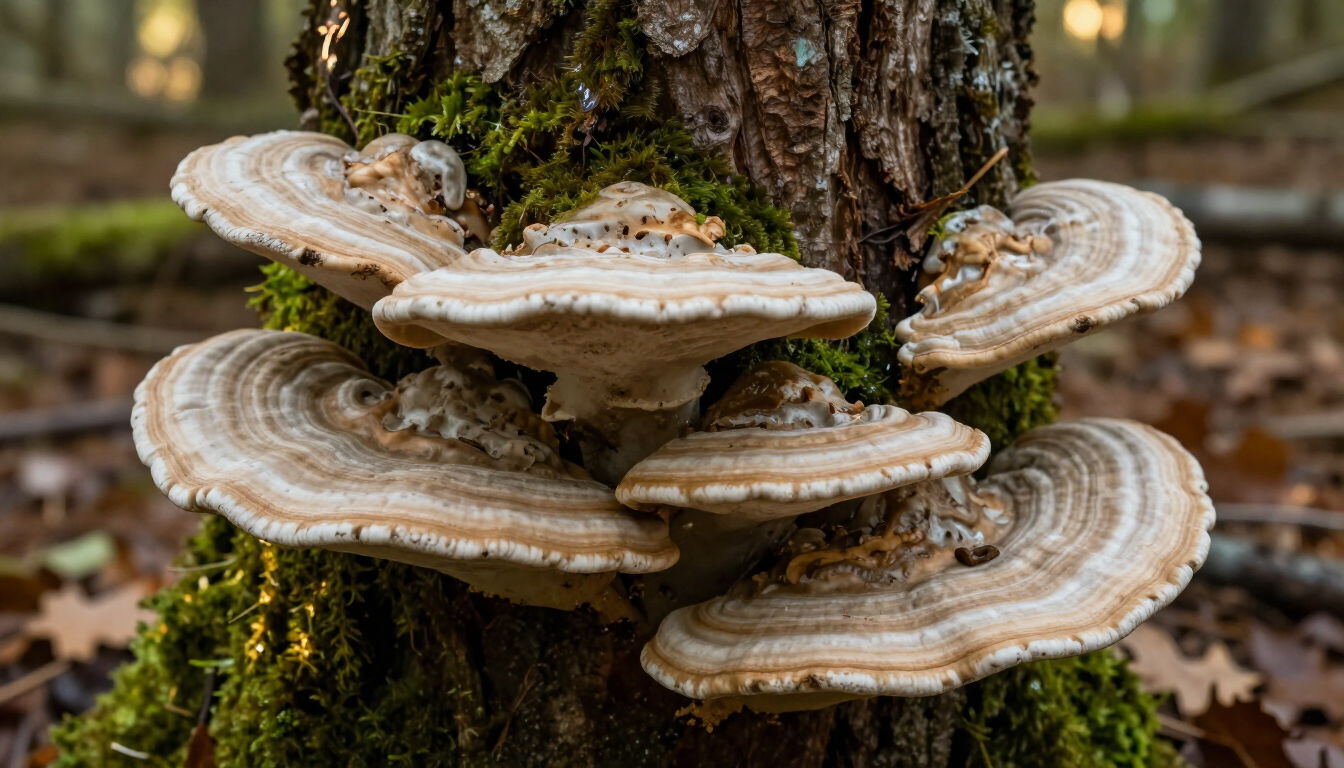
  • Fungal Growth: Mushrooms or "conks" growing at the base of the tree or on the trunk.
  • Soil Heaving: Roots lifting out of the ground or soil mounding on one side of the tree.
  • V-Shaped Crotches: Tight angles where two major trunks meet, which are prone to splitting.
  • Cavities and Hollows: Missing wood or large holes that reduce the tree's structural integrity.
  • Sudden Leaning: A tree that was straight but has recently developed a noticeable tilt.

If you notice any of these signs, it is critical to consult a professional tree service provider to assess the risk level. In the mountainous terrain of WNC, wind patterns can catch compromised canopies like sails, putting immense pressure on weak points.

Visual Indicators of Internal Decay

Internal decay is often a silent threat because the tree may still appear green and vibrant at the top while the structural core is rotting away. One of the most prominent visual indicators of this process is the presence of saprophytic fungi. These are mushrooms that feed on dead or dying wood. If you see shelf-like growths (brackets) or clusters of mushrooms at the soil line, it indicates that the roots or the lower trunk are decaying. This soft, punky wood cannot support the weight of a mature canopy, especially when heavy snow or rain adds additional load.

Another visual cue is "epicormic sprouting." These are small, thin branches that grow directly out of the trunk or main limbs. While they may look like new growth, they are actually a stress response. The tree is struggling to survive and is desperately trying to produce foliage because its primary branches are failing. If you see a sudden explosion of these small sprouts along the trunk, the tree's health is likely in steep decline.

Hazardous tree with fungal growth and decaying bark

Why is Asheville’s soil a factor in tree stability?

Western North Carolina is famous for its red clay and rocky outcrops, but this unique geology presents specific challenges for tree health. In areas like West Asheville and the surrounding valleys, the soil can become incredibly saturated during the heavy rains of late summer and autumn. Saturated soil loses its "shear strength," meaning it can no longer hold the root ball firmly in place.

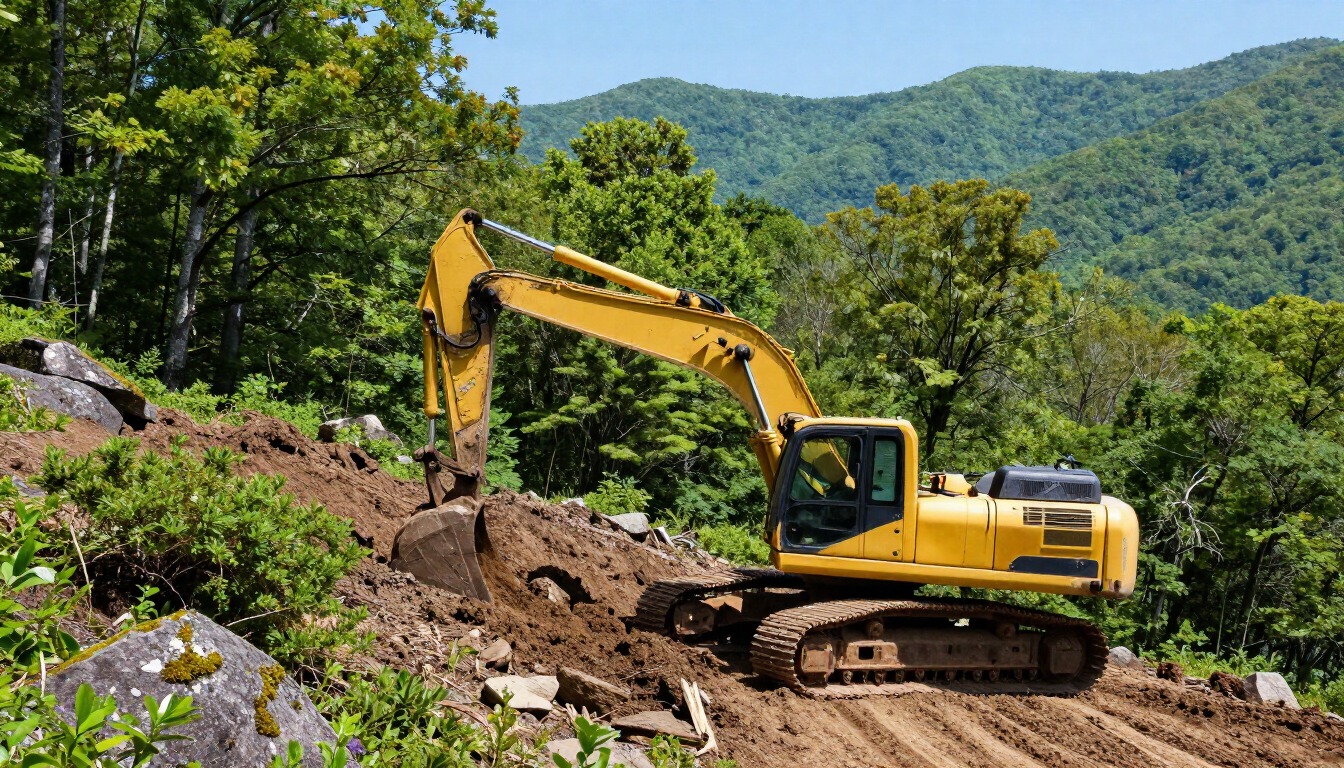
When high winds hit, the combination of a heavy, wet canopy and loose, muddy soil creates a "lever effect." If the tree has a shallow root system—common in clay-heavy soils where roots spread out rather than down—it is much more likely to uproot entirely. This is why many tree failures in our region involve the entire tree falling over with the root plate attached, rather than the trunk snapping. Proper excavation & grading around your property can help manage water runoff and protect the integrity of the soil surrounding your trees' root zones.

Root System Health and Foundation Safety

As a homeowner, it is easy to forget that what happens underground is just as important as what happens in the sky. A tree’s root system generally extends two to three times the width of its canopy. When these roots encounter the foundation of a home or a garage, they don't just stop. They can exert pressure on concrete walls or, more commonly, draw moisture away from the soil, causing the ground to shrink and settle unevenly.

In historic neighborhoods like Montford , where many homes sit on older foundations, the interaction between mature trees and masonry is a constant concern. If a tree near your house is showing signs of distress, it might be because its root system is cramped or damaged by nearby construction. Conversely, if you notice cracks in your basement or crawlspace walls, it may be time to evaluate the proximity of large trees. Managing the balance between beautiful landscaping and foundation longevity is a key part of property maintenance in Asheville.

Tree roots near a home foundation

How can I tell if a leaning tree is dangerous?

Not every leaning tree is a hazard. Many trees grow at an angle to reach sunlight, a process known as phototropism. These trees are usually safe because they have grown wood specifically to support that angle over many years. However, a tree that has recently started to lean is an emergency.

To determine if a lean is dangerous, look at the ground on the side opposite the lean. Is the soil cracked? Are the roots starting to pull out of the earth? This is called "heaving," and it is a clear sign that the tree is in the process of falling. Additionally, look for "tension wood" or "compression wood." Trees that have leaned for a long time will have trunks that curve back toward the vertical (a "sweep"). If the trunk is perfectly straight but leaning at a 45-degree angle, it lacks the structural adaptations to stay upright during a storm.

Property-Specific Risks in Montford and West Asheville

In the Montford area, the density of historic trees is one of the neighborhood's greatest assets. However, many of these trees are reaching the end of their natural lifespan. Species like Silver Maples and White Pines are particularly prone to limb failure as they age. In these tightly packed urban environments, a falling limb doesn't just hit the ground; it hits a neighbor’s roof, a power line, or a parked car.

Homeowners in West Asheville often deal with smaller lot sizes and steeper slopes. Trees on slopes are already under constant gravitational stress. When you add the weight of a mountain thunderstorm, the risk increases. Monitoring the "lean" of trees on sloped properties is essential. If a tree is leaning downhill, it has much less resistance against gravity than a tree leaning into the hillside. Regular inspections are the best way to ensure your property remains a safe haven rather than a hazard zone.

When should I call a professional for a tree inspection?

While a visual DIY inspection is a great first step, some hazards are invisible to the untrained eye. You should call a professional if you see multiple warning signs or if a high-value structure is within the "strike zone" of a large tree. A strike zone is generally calculated as 1.5 times the total height of the tree.

Professional arborists use tools like resistographs or sonic tomography to look inside the trunk without harming the tree. They can determine exactly how much sound wood is left and whether the tree can be saved through pruning and cabling or if it needs to be removed. Don't wait until the first major storm of the season hits to find out if your trees are sound. Early intervention can often save a tree through weight reduction pruning, which thins the canopy to allow wind to pass through more easily, reducing the "sail effect."

Summary of Tree Hazard Prevention

Maintaining a safe property in Asheville requires a proactive approach to tree health, especially given our region's stormy climate. By staying vigilant and recognizing the early warning signs of decay, you can protect your home, your foundation, and your family from the unpredictable nature of falling timber.

Key Takeaways for Homeowners:

  • Conduct Seasonal Checks: Walk your property before the spring and fall storm seasons to look for new cracks or fungal growth.
  • Watch the Soil: Pay attention to heaving soil or exposed roots, especially after heavy rains in Asheville, NC .
  • Evaluate the Lean: Distinguish between a tree that grew at an angle and one that is actively tipping.
  • Prioritize Safety Near Structures: Trees within striking distance of your home require more frequent professional evaluations.
  • Contact Experts Early: If you're unsure about a tree's health, Contact a professional to perform a risk assessment before the next big storm.

Taking these steps ensures that you can enjoy the lush, wooded beauty of Western North Carolina without the constant worry of storm-related damage. Proper property management, including tree care and excavation & grading , is the foundation of a resilient home.

Recent Posts

Excavation and grading for a new home build in Western North Carolina.
August 17, 2026
Learn why professional land grading and excavation are essential for mountain terrain in Asheville and WNC. Avoid erosion and drainage issues with expert site prep.

New concrete driveway installation in the Asheville mountains
August 3, 2026
Planning a concrete driveway or patio in Asheville, NC? This guide covers mountain slope challenges, WNC soil prep, and the installation process for local homeowners.
Professional tree removal on a steep hillside in Western North Carolina.
July 20, 2026
Learn the complexities of tree removal on steep lots in Western North Carolina. Discover safety tips, equipment needs, and erosion risks for Asheville properties.

Modern Asheville kitchen remodel with high-end finishes and mountain views.
July 6, 2026
Planning a kitchen or bathroom remodel in Asheville, NC? Our comprehensive guide covers the entire process from initial design and permitting to construction and final inspection.
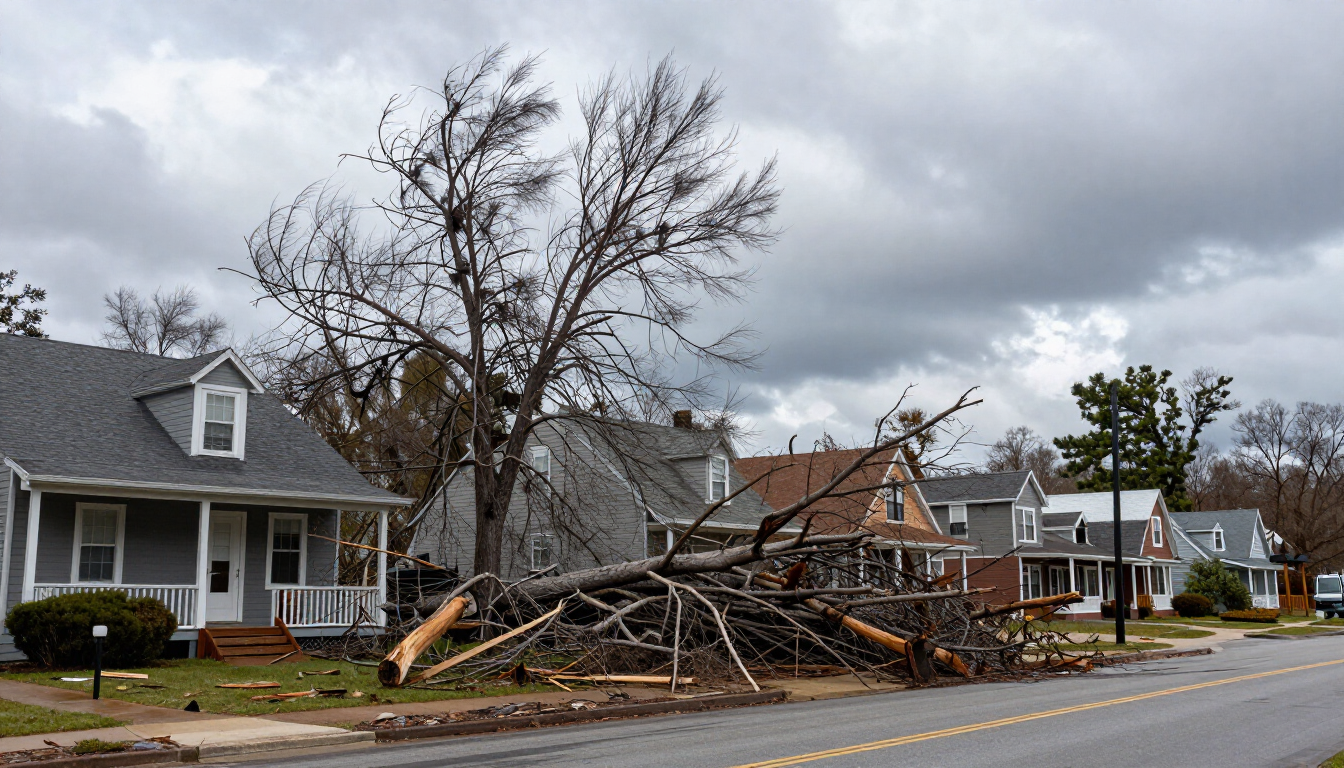
Storm damage cleanup in Asheville NC neighborhood
June 22, 2026
Expert guide on storm damage cleanup in Asheville, NC. Learn how to handle tree removal, flooding, and foundation safety after high winds.

Steep Asheville property with professional drainage and retaining walls to prevent erosion.
June 8, 2026
Learn how to fix drainage problems on steep Asheville properties. Discover 5 effective solutions like French drains, swales, and retaining walls to protect your WNC home.