
Tree Trimming vs Tree Removal: How to Decide in 2026

September 29, 2026

Share this article

Deciding between tree trimming and tree removal depends on the tree’s health, structural integrity, and proximity to property. Trimming maintains health and aesthetics by removing dead or diseased branches, whereas removal is necessary for trees that are dead, structurally unstable, or posing an immediate danger to your Asheville home.

Why does the choice between trimming and removal matter?

Choosing the right course of action for the trees on your property is more than just a matter of curb appeal. In a place as lush and mountainous as Asheville, NC , trees are a vital part of the landscape, providing shade, privacy, and even helping with soil stability on sloped terrain. However, an incorrect decision can lead to significant financial and safety consequences. If you remove a tree that could have been saved with professional trimming, you lose years of growth and the property value associated with mature canopy. Conversely, if you attempt to trim a tree that is fundamentally unstable, you may be leaving a ticking time bomb that could fall during one of our frequent mountain storms.

Homeowners often struggle with this decision because trees are living assets. They grow with our families and define the character of neighborhoods like Montford, NC or West Asheville . But when a tree begins to show signs of distress—whether it is dropping large limbs, showing fungal growth at the base, or leaning precariously toward a roofline—the question of tree trimming vs tree removal becomes urgent. A professional assessment is always the safest route, but understanding the basic criteria for both options empowers you to make an informed choice for your land and your budget.

Common tree species found in Asheville yards

Understanding what kind of trees you have is the first step in deciding their fate. Different species have different growth patterns, lifespans, and susceptibilities to disease. In Western North Carolina, we commonly deal with:

  • Oaks (White and Red): Majestic and long-lived, but prone to "Oak Wilt" and heavy limb drops if not maintained.
  • Eastern White Pines: These grow fast and tall, making them susceptible to wind snap during high-altitude gusts.
  • Maples: Famous for their fall colors, but they can develop shallow root systems that interfere with foundations.
  • Tulip Poplars: These grow incredibly straight and tall but are relatively brittle compared to hardwoods like Hickory.

When is tree trimming the best option?

Tree trimming, often referred to by arborists as pruning, is the proactive side of tree service . It is the preferred option when the tree is generally healthy but requires structural correction or aesthetic refinement. Trimming isn't just about "haircuts" for your landscape; it is a surgical process that removes specific branches to improve the tree's overall biology. For many homeowners in Weaverville, NC and surrounding areas, regular trimming is the key to preventing the need for costly removals later in the tree's life.

One of the most common reasons for trimming is "deadwooding." This involves removing dead, dying, or diseased branches that could otherwise fall and cause injury or property damage. By removing these limbs, you also prevent decay-producing fungi from traveling into the main trunk of the tree. Furthermore, thinning the canopy allows for better air circulation and sunlight penetration. This not only helps the tree photosynthesize more effectively but also reduces "wind sail"—the resistance a tree offers to wind—which can prevent it from being uprooted during a storm.

Can pruning save a dying tree?

This is a common question for those who love their old-growth trees. The answer is: sometimes. If a tree is suffering from a localized disease or a pest infestation that hasn't reached the heartwood or the root system, aggressive pruning can sometimes halt the spread. For example, if a Maple tree has a few branches showing signs of Verticillium wilt, removing those specific limbs and treating the soil may buy the tree many more years of life. However, if the crown is more than 50% dead, pruning is likely a temporary bandage for an inevitable removal.

The benefits of regular canopy maintenance

  1. Safety: Reduces the risk of falling limbs on power lines, cars, or pedestrians.
  2. Health: Stops the spread of pests and diseases before they become systemic.
  3. Aesthetics: Shapes the tree to complement the architecture of your home.
  4. Property Value: Healthy, well-maintained trees can add up to 10-15% to a home's market value.
  5. Light Management: Allows more grass and garden plants to grow beneath the tree by opening the canopy.

5 Warning signs that you need tree removal

Sometimes, no amount of trimming can fix the underlying problem. Tree removal is a heavy decision, but it is often the only way to ensure the safety of your family and property. If you live in areas like Candler, NC or Leicester, NC , where properties are often surrounded by dense woods, identifying a "hazard tree" is a critical skill. Here are the non-negotiable signs that it’s time to call the pros for a removal:

  1. Trunk Integrity Issues: Large cracks, deep cavities, or areas of missing bark (cankers) suggest the tree is structurally compromised.
  2. Root Damage: If you notice fungi (mushrooms) growing at the base of the trunk or if the soil is heaving upward, the root system is likely rotting.
  3. Severe Leaning: While some trees grow naturally at an angle, a sudden lean—especially one that exposes roots—indicates the tree is failing.
  4. Internal Decay: If a tree is hollow, it lacks the structural "pipe" needed to withstand mountain winds.
  5. Proximity to Structures: A healthy tree growing too close to a foundation or power lines may need to be removed to prevent long-term structural damage to the home.

How does Asheville's weather affect tree stability?

Asheville’s climate presents unique challenges for trees. We experience a mix of heavy spring rains that saturate the soil, followed by high-velocity winds that can easily tip a tree with a compromised root system. In the winter, ice storms are a major threat. A single inch of ice can add thousands of pounds of weight to a tree’s canopy. For a tree that is already leaning or has large dead limbs, this extra weight is almost always the breaking point. This is why we often see a surge in emergency removals during the colder months.

Furthermore, the topography of Western North Carolina means that many trees are growing on slopes. Soil erosion in areas like Woodfin, NC can expose roots over time, making trees that were once stable suddenly hazardous. If you notice significant runoff or soil shifting near a large tree after a heavy rain, it is time for a professional health assessment.

Comparing costs and long-term property value

When homeowners look at the price tag for tree trimming vs tree removal , they often see removal as a much larger expense. While the upfront cost of removing a 60-foot Oak is certainly higher than a standard pruning job, the long-term "cost of inaction" must be considered. A dead tree that falls on a garage or a neighbor’s fence will cost significantly more in insurance deductibles, repairs, and legal headaches than a planned removal ever would.

On the other hand, investing in regular trimming is a form of insurance for your property’s value. In the real estate market of the Blue Ridge Mountains, mature, healthy trees are a major selling point. A property that has been stripped of all its trees due to neglect looks barren and can be harder to sell. By choosing trimming early and removal only when necessary, you maintain the ecological and financial balance of your landscape.

Practical steps for your Asheville property

To ensure your yard stays safe and beautiful, follow these simple takeaways:

  • Inspect your trees seasonally: Look for new cracks, fungal growth, or changes in leaf color after storms.
  • Prioritize high-traffic areas: Trees overhanging the driveway, sidewalk, or roof should be your first priority for trimming.
  • Don't DIY large jobs: Tree work is one of the most dangerous home maintenance tasks; always use a licensed and insured service.
  • Consult an expert for the final call: If you aren't sure if a tree is dead or just dormant, ask for a professional opinion.

In summary, the decision between tree trimming and tree removal comes down to a balance of health and hazard. Trimming is your best tool for longevity and beauty, while removal is a necessary safety measure for trees that can no longer support themselves. For a professional evaluation of your property’s trees, contact our team today. Whether you need a simple prune in West Asheville or a complex removal in the surrounding mountains, we are here to help you protect your home.

Recent Posts

A beautiful concrete patio on a steep WNC hillside.
October 12, 2026
Planning a concrete patio on a steep or narrow lot in Asheville? Learn about tight-access concrete techniques, equipment, and landscape protection.

A modern bathroom remodel in Asheville, NC featuring natural wood and mountain views.
September 14, 2026
Learn the complete process for bathroom remodeling in Asheville, NC. Explore popular WNC upgrades, budgeting tips, and how to plan your renovation today.
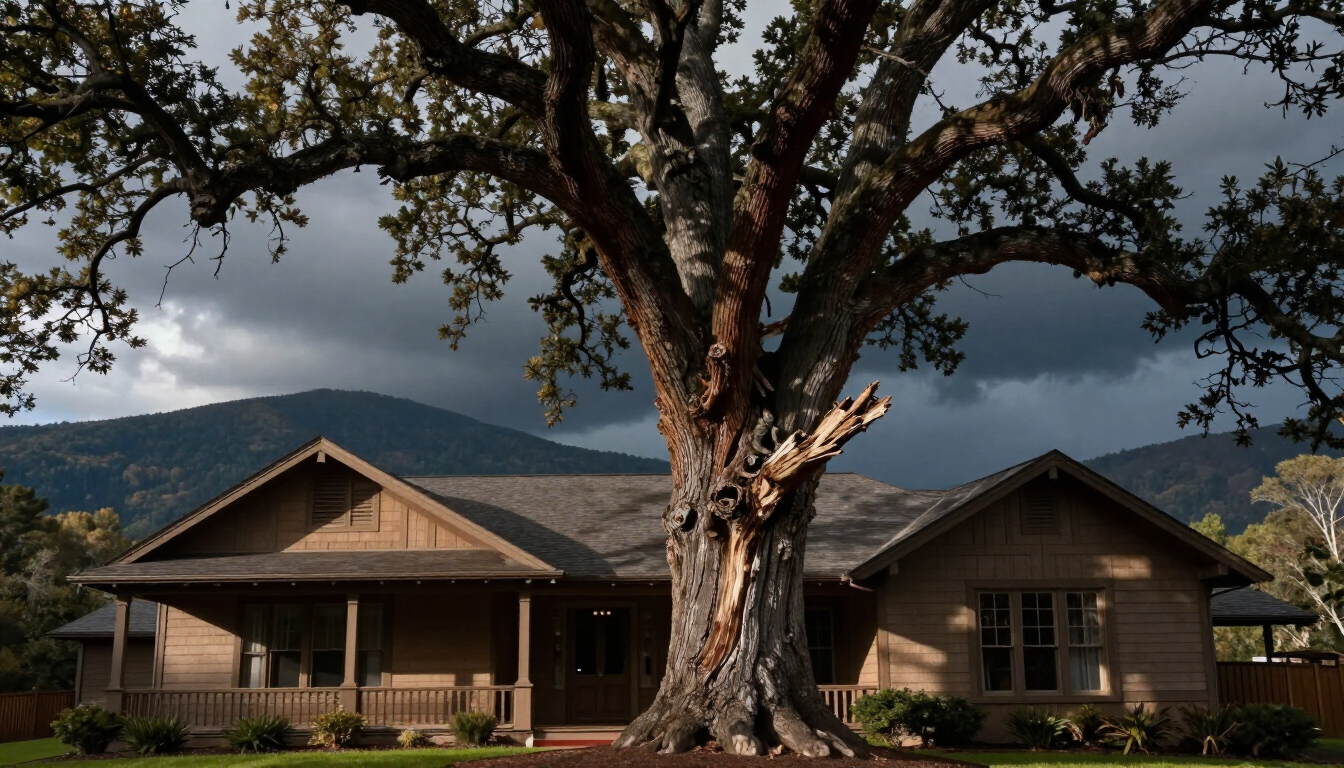
Close up of fungal growth and bark cracks indicating a hazardous tree trunk in a yard.
August 31, 2026
Identify critical hazardous tree warning signs before storm season hits Western North Carolina. Learn what to look for in Asheville, Montford, and West Asheville to protect your home.
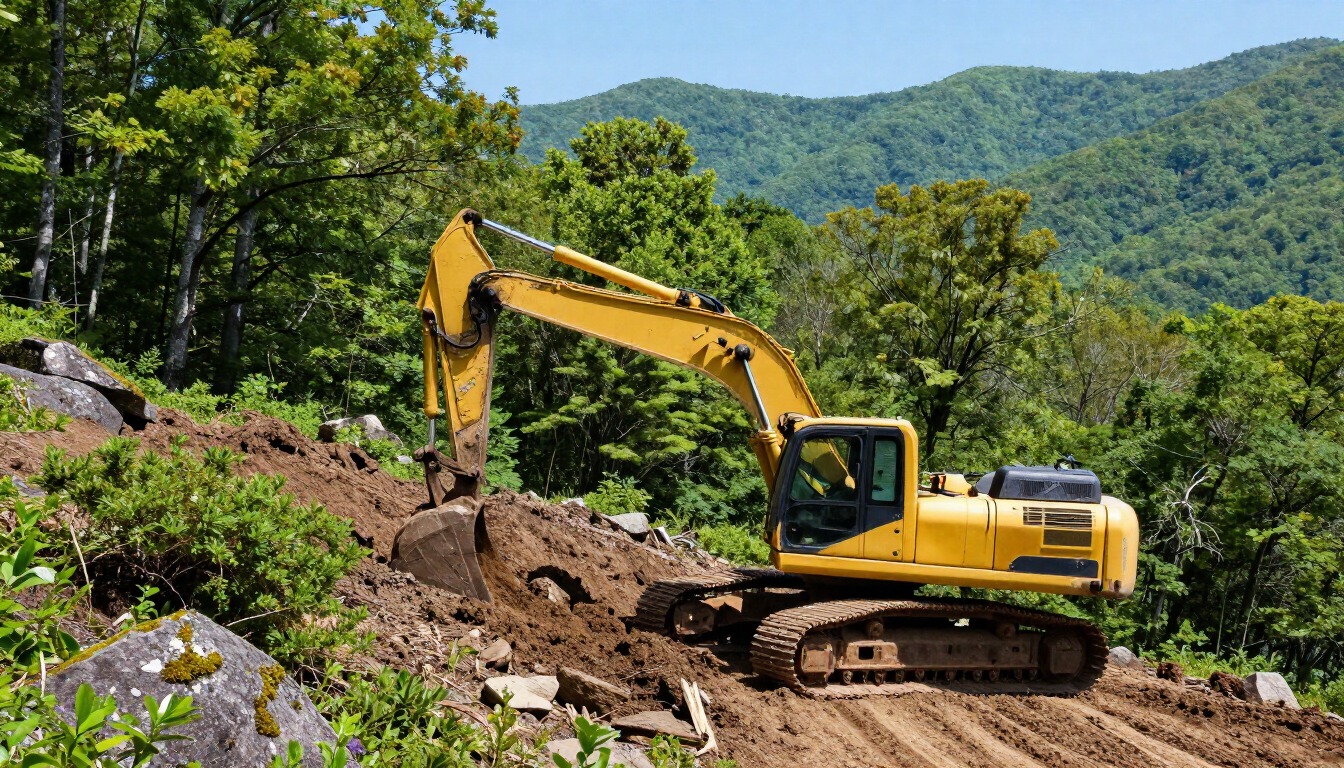
Excavation and grading for a new home build in Western North Carolina.
August 17, 2026
Learn why professional land grading and excavation are essential for mountain terrain in Asheville and WNC. Avoid erosion and drainage issues with expert site prep.
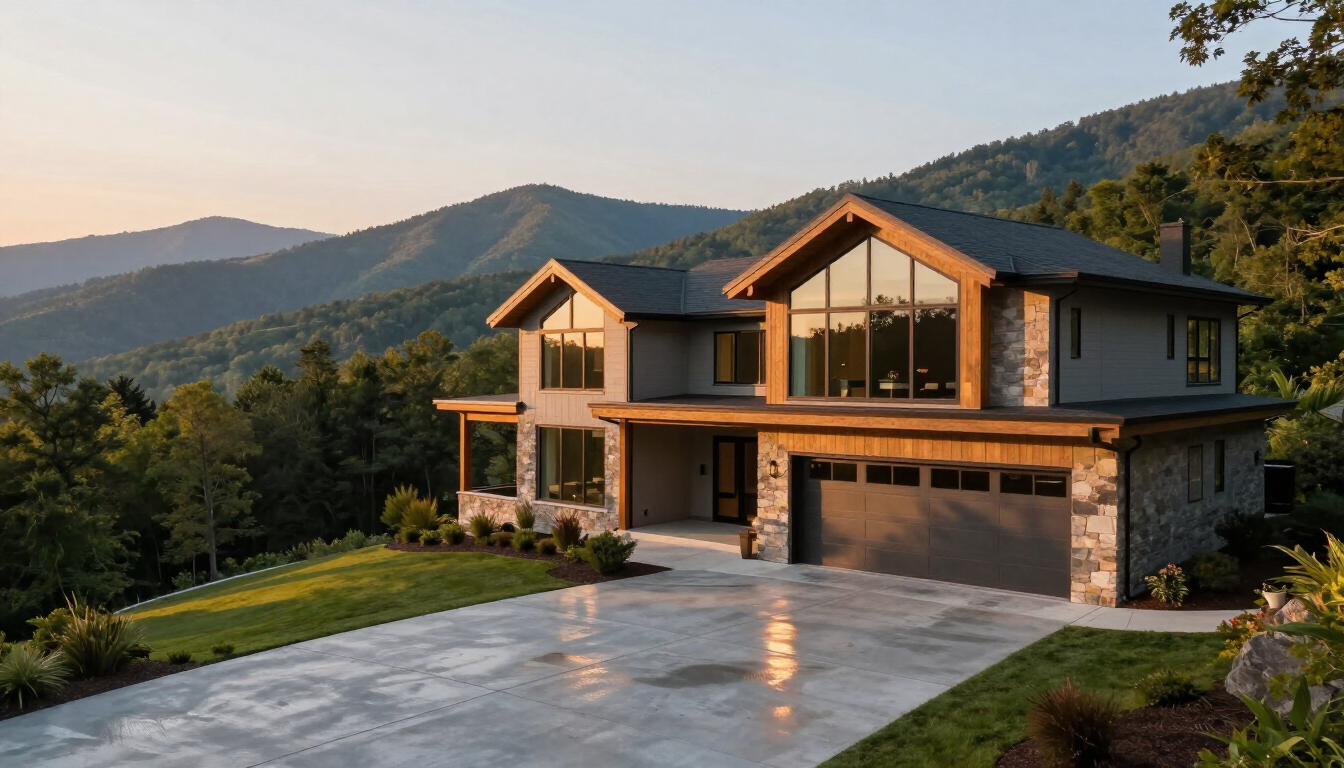
New concrete driveway installation in the Asheville mountains
August 3, 2026
Planning a concrete driveway or patio in Asheville, NC? This guide covers mountain slope challenges, WNC soil prep, and the installation process for local homeowners.
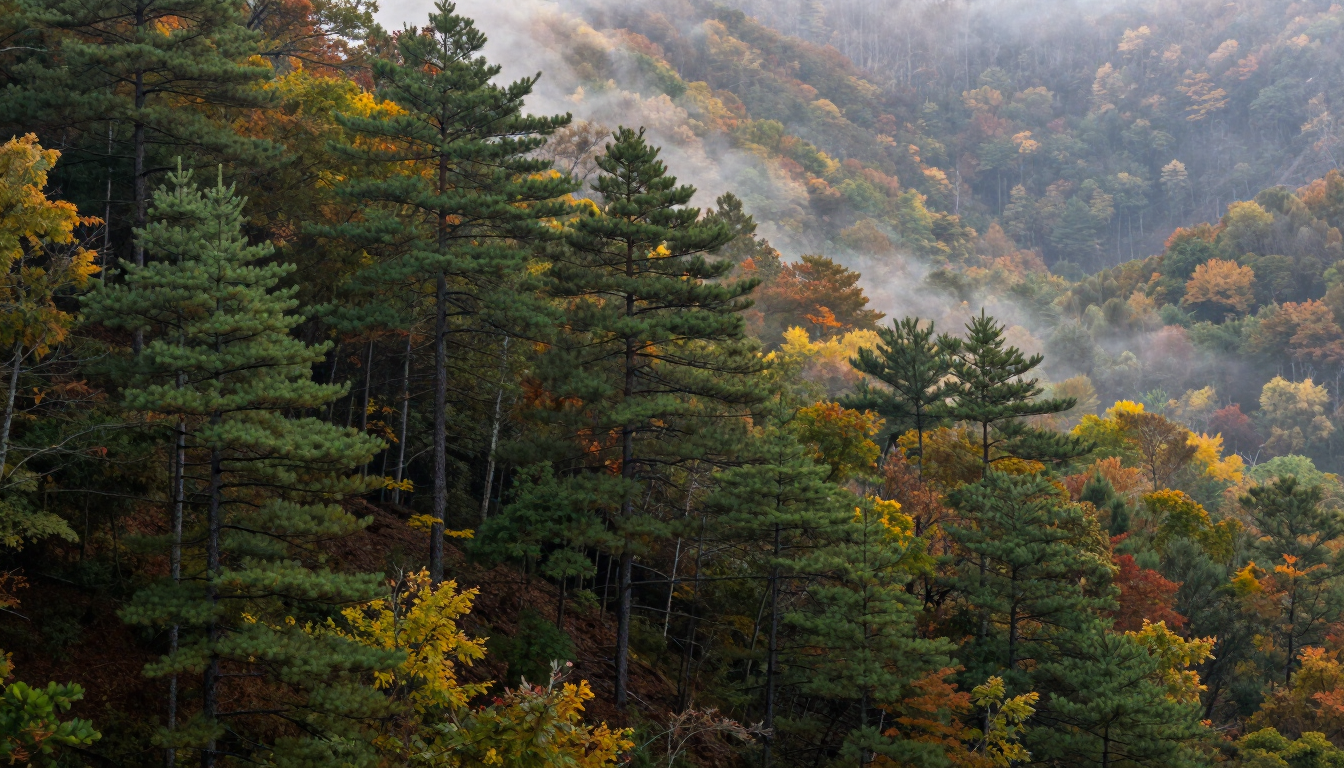
Professional tree removal on a steep hillside in Western North Carolina.
July 20, 2026
Learn the complexities of tree removal on steep lots in Western North Carolina. Discover safety tips, equipment needs, and erosion risks for Asheville properties.
Modern Asheville kitchen remodel with high-end finishes and mountain views.
July 6, 2026
Planning a kitchen or bathroom remodel in Asheville, NC? Our comprehensive guide covers the entire process from initial design and permitting to construction and final inspection.
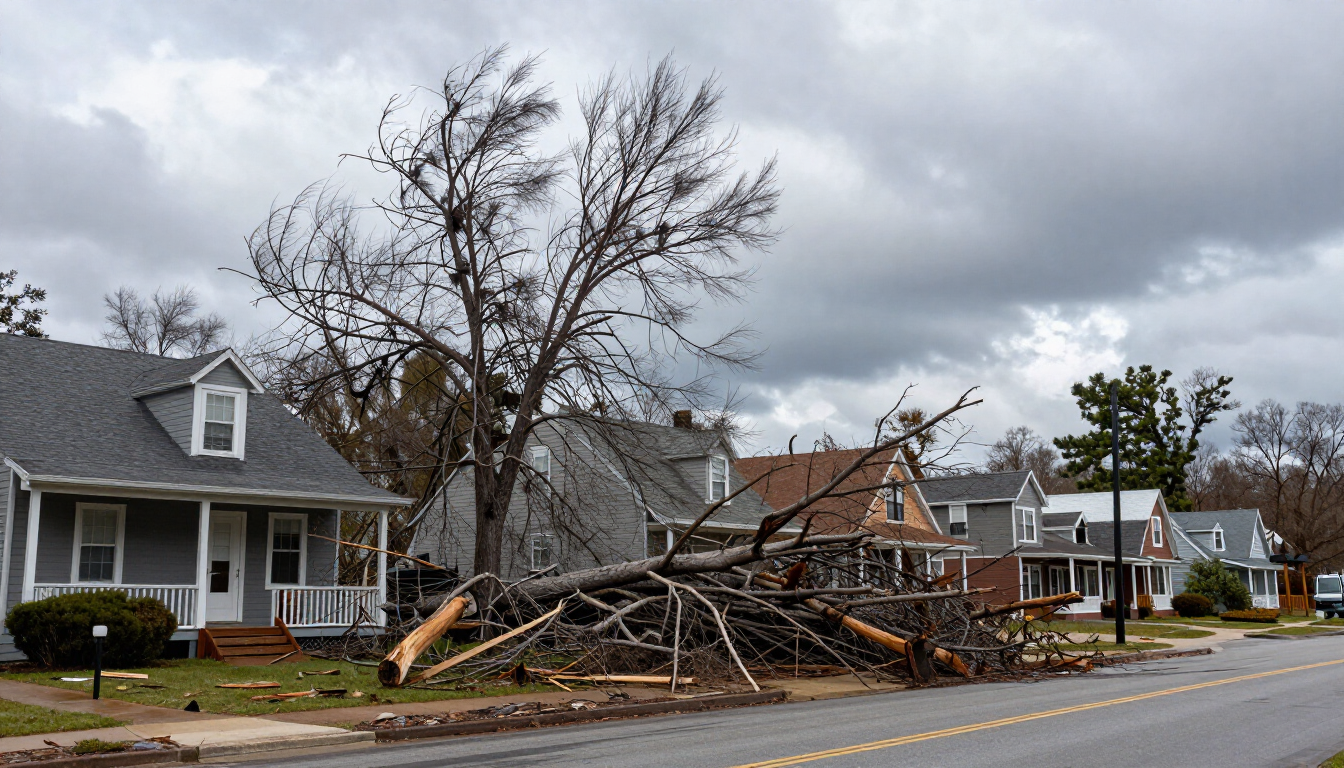
Storm damage cleanup in Asheville NC neighborhood
June 22, 2026
Expert guide on storm damage cleanup in Asheville, NC. Learn how to handle tree removal, flooding, and foundation safety after high winds.
Steep Asheville property with professional drainage and retaining walls to prevent erosion.
June 8, 2026
Learn how to fix drainage problems on steep Asheville properties. Discover 5 effective solutions like French drains, swales, and retaining walls to protect your WNC home.